Daughters of Cambodia
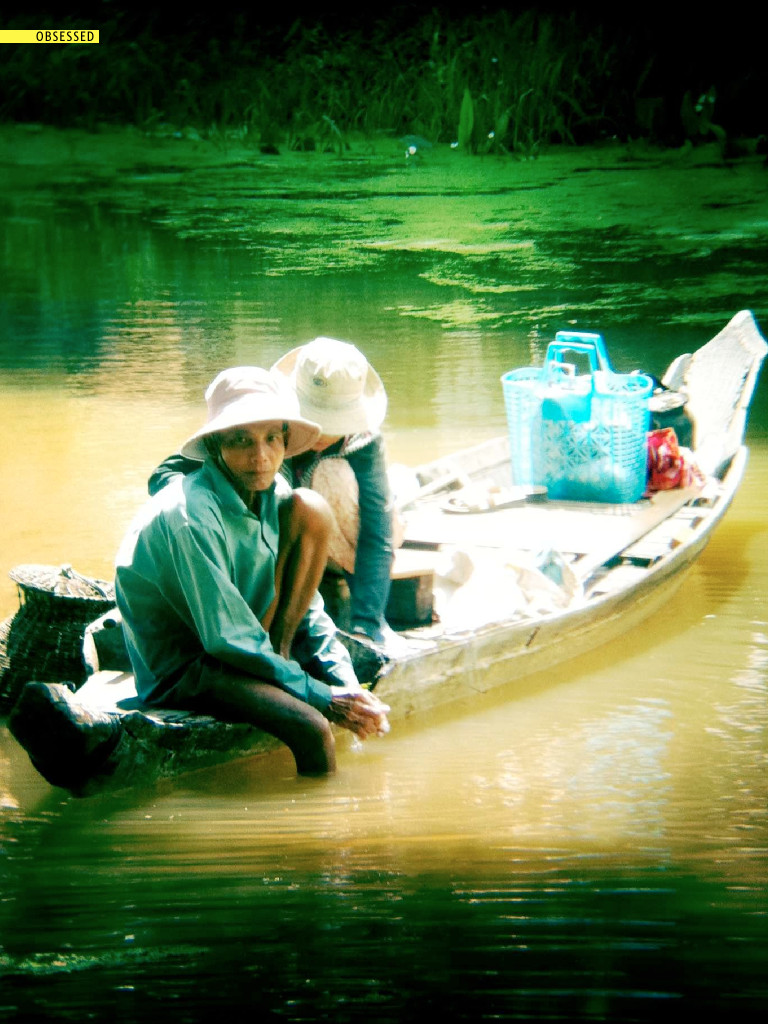
Daughters of Cambodia is a musical project that addresses the enslavement and forced prostitution of women and children in Cambodia. Currently there are over 100,000 girls in prostitution in Cambodia, most of them against their will. Many are children. Most of these girls are forced into prostitution by their own families, or someone in their community. Some are literally kept behind locked doors against their will.
In Cambodia it is traditionally the job of the young women to care not only for the family at home, but also for their aging parents. In a culture still recovering from the Khmer Rouge (1975-79) there are few economic opportunities. While tourism and development grow in Cambodia, providing new employment opportunities, they also bring tourists who seek to buy women, girls, and boys for exploitative purposes.
“While there was a great gap culturally, some things are the same everywhere... Light behind the eyes, smiles held between women and girls and the excitement held in each present moment.”
—Leslie Sanazaro
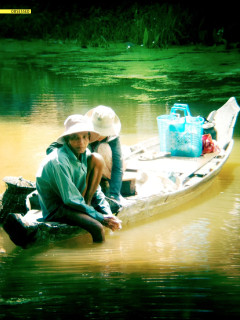
In June of 2011, I traveled to Cambodia, along with my husband (photographer and social worker Alexis Santí) to visit the girls at AFESIP (a French acronym which translated means Acting for Women in Distressing Situations). I wanted to try to better understand the situation on the ground in Cambodia. It was a challenging trip. As a woman I felt on some level as though my safety was constantly at risk. And even though it became clear that the women truly at risk were not the ones who looked like me, I felt a nagging worry and concern during much of our travels.
The highlight of our trip however, was without a doubt meeting so many amazing Cambodia people. While there was a great gap culturally, some things are the same everywhere. These things I guess, are the real things of life. Light behind the eyes, smiles held between women and girls and the excitement held in each present moment.
Everyone seemed so ready to have a good laugh about something.
It is my hope, that by writing this new album of songs, entitled “First We Cry, Then We Laugh”, that I may be able to continue to bring to light these modern day slavery atrocities and that in raising awareness for these exploitations, that we may all put the resources available to us to work on this important issue.
-Leslie Sanazaro