Macau
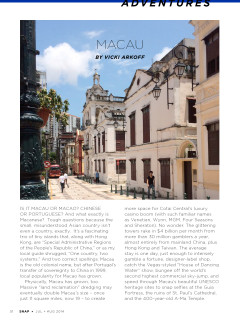
Is it macau or macao? Chinese or portuguese? And what exactly is Macanese? Tough questions because the small, misunderstood Asian country isn’t even a country, exactly. It’s a fascinating trio of tiny islands that, along with Hong Kong, are “Special Administrative Regions of the People’s Republic of China,” or as my local guide shrugged, “One country, two systems.” And two correct spellings: Macau is the old colonial name, but after Portugal’s transfer of sovereignty to China in 1999, local popularity for Macao has grown.
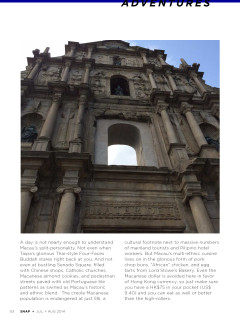
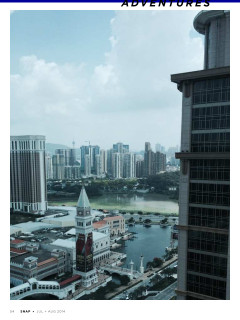
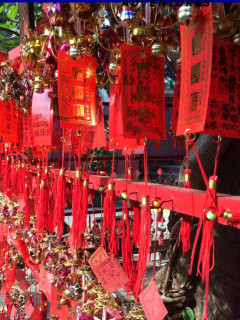
Physically, Macau has grown, too. Massive “land reclamation” dredging may eventually double Macau’s size – once just 11 square miles, now 19 – to create more space for Cotai Central’s luxury casino boom (with such familiar names as Venetian, Wynn, MGM, Four Seasons and Sheraton). No wonder. The glittering towers rake in $4 billion per month from more than 30 million gamblers a year, almost entirely from mainland China, plus Hong Kong and Taiwan. The average stay is one day, just enough to intensely gamble a fortune, designer-label shop, catch the Vegas-styled “House of Dancing Water” show, bungee off the world’s second highest commercial sky-jump, and speed through Macau’s beautiful UNESCO heritage sites to snap selfies at the Guia Fortress, the ruins of St. Paul’s Cathedral, and the 400-year-old A-Ma Temple.
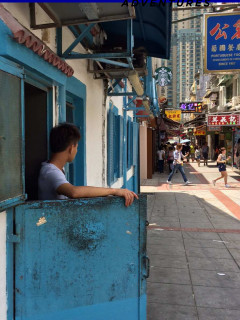
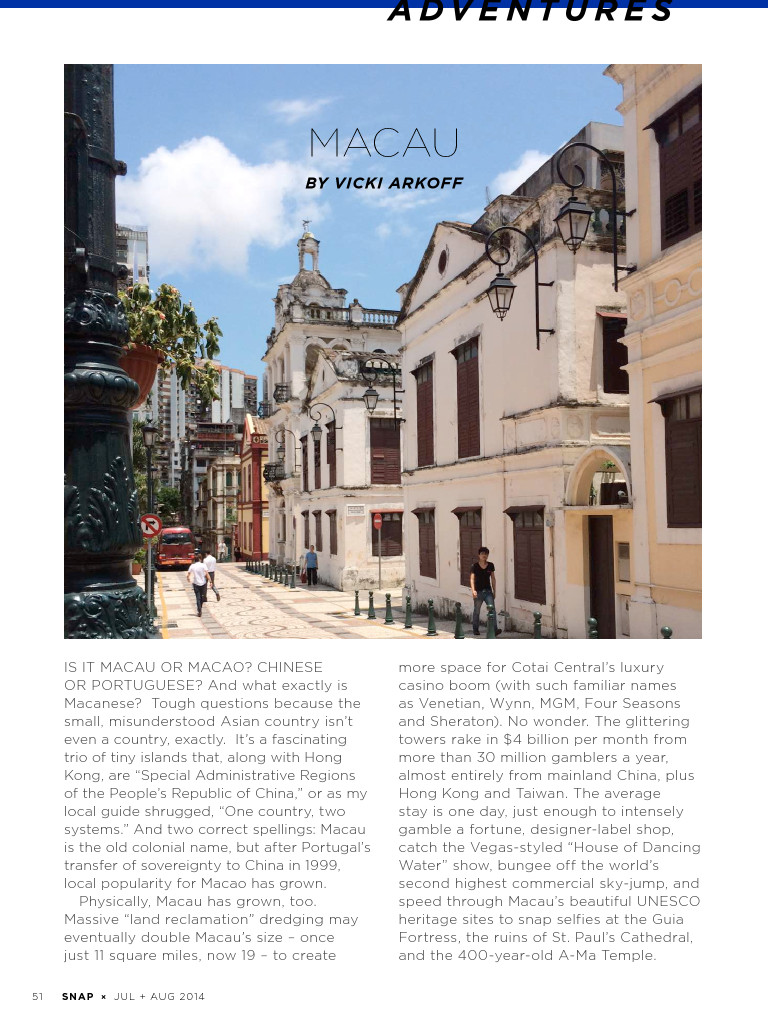
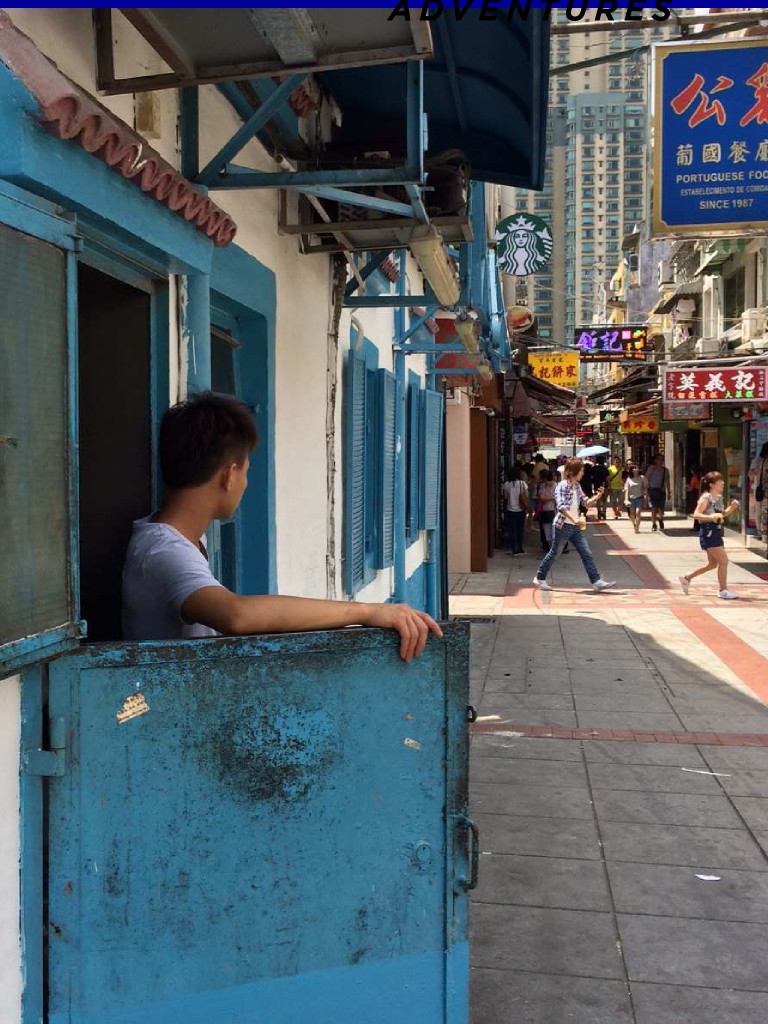
A day is not nearly enough to understand Macau’s split-personality. Not even when Taipa’s glorious Thai-style Four-Faces Buddah stares right back at you. And not even at bustling Senado Square, filled with Chinese shops, Catholic churches, Macanese almond cookies, and pedestrian streets paved with old Portuguese tile patterns as swirled as Macau’s historic and ethnic blend. The creole Macanese population is endangered at just 5%, a cultural footnote next to massive numbers of mainland tourists and Pilipino hotel workers. But Macau’s multi-ethnic cuisine lives on in the glorious form of pork chop buns, “African” chicken, and egg tarts from Lord Stowe’s Bakery. Even the Macanese dollar is avoided here in favor of Hong Kong currency, so just make sure you have a HK$75 in your pocket (US$ 9.40) and you can eat as well or better than the high-rollers.